Your toolbox isn’t empty: Rediscovering your strengths
There must have been thousands of days in my life when I would have held you to be inconsiderate, rude, and highly annoying if you advised me to “use my strengths”.
“Strengths? What bl**dy strengths?”
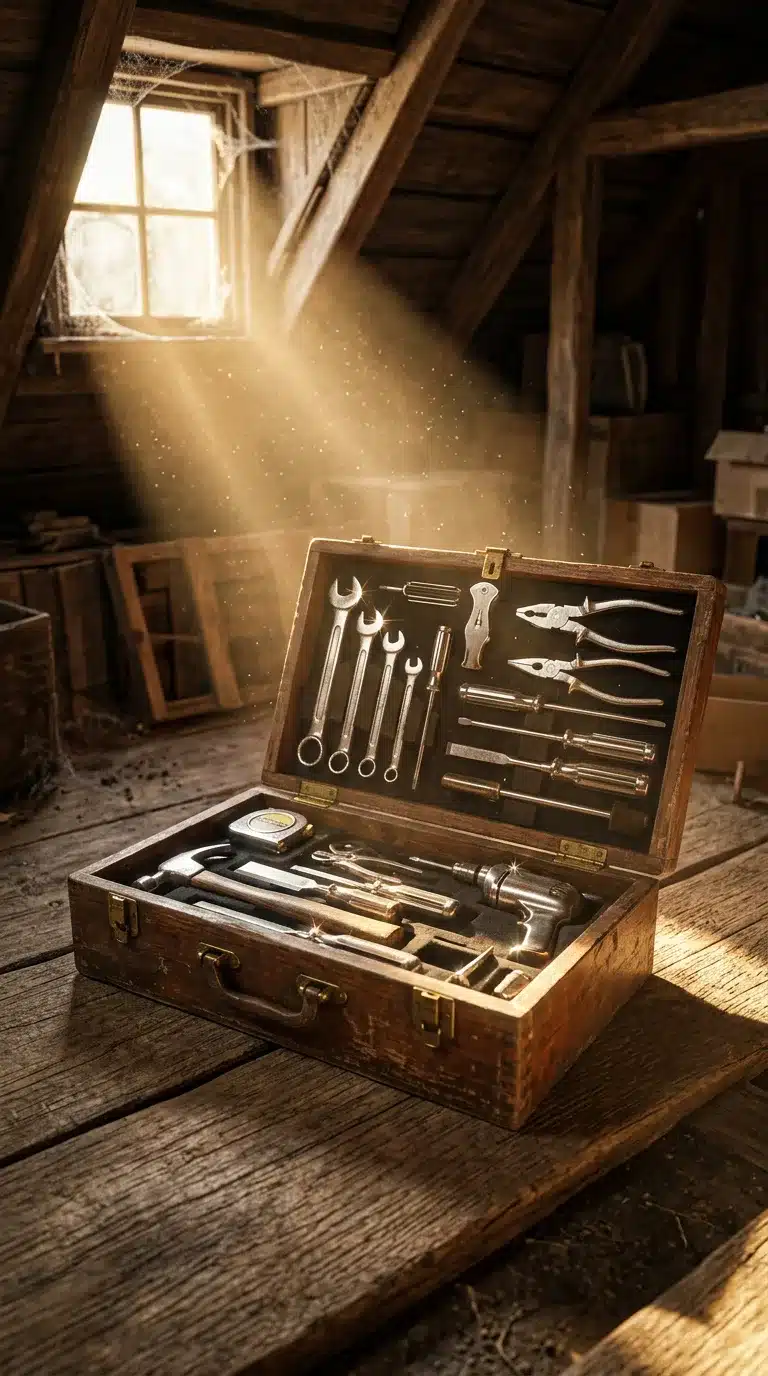
Still, here I am, proposing the same thing to you. If you want to change something significant in your life, you should make sure you discover and get to know your strengths. They will be the shining tools in the top drawer of your toolbox, for instance, if you want to do something about your anxiety or depression.
But please believe me: I understand extremely well if you tell me to get lost right now.
Hidden doesn’t mean gone
Nothing makes you feel more helpless and vulnerable than anxiety. And nothing makes you feel more hopeless than depression.
“So what bl**dy strengths are you talking about?”
One of the most important realisations to seek, if you’re suffering from anxiety and depression, is the difference between what you feel and what you are.
You may feel weak and helpless. That’s the nature of anxiety and depression. But it doesn’t mean you necessarily are weak and helpless.
Anxiety and depression might distort your view of yourself and the world. They may temporarily hide who you are from yourself. This includes your strengths and capabilities.
But hidden isn’t the same as broken or gone.
Strengths, talents, and skills are not the same
Because anxiety and depression are something you suffer from, but they aren’t you. Your strengths, on the other hand, are deeply embedded in your personality.
Let’s sort out what strengths are about and differentiate them from talents and skills.
A talent is a natural ability you have. For instance, you may have a talent for music. Which might mean it’s easier for you than for most others to pick up musical skills. A skill is something you learn, an acquired expertise. For instance, you may have acquired the skill to play the guitar.
Or perhaps not. Talent alone isn’t enough. In this case, you would need the strengths of discipline, perseverance, and patience. Or else, you would never put in enough practice to develop the skills of being a good guitarist.

What are personal strengths?
Strengths are the personal qualities that enable you to function at your best when navigating life’s opportunities and obstacles.
Many of your positive personality traits are strengths, including curiosity, courage, patience, perseverance, and discipline.
Other strengths may not be personality traits as such, but they can still prove extremely useful in your toolbox, including good memory, physical endurance, or technical expertise.
The right tool for the right job
There is no definitive, all-agreed-upon definition and list of human strengths. Go to different sources, and they will focus on different things.
Furthermore, what you experience as a strength may also depend on the situation. For instance, if you are a modest and cautious person, this might be a significant advantage in certain circumstances. In another situation, your humility may invite people to walk all over you.
Luckily, you will probably have a good selection of strengths, some more prominent than others and some better suited to your current situation. For your toolbox, choose those most useful at any given time and in the circumstances at hand.
Know which strength you can lean on
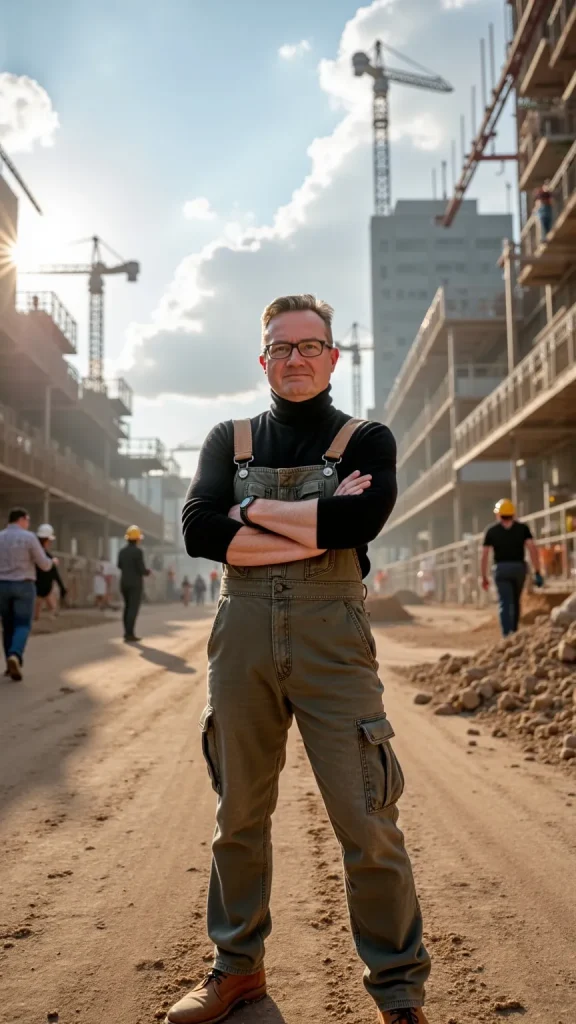
By getting to know your strengths well, you not only fill up your toolbox with possible tools you can choose from when you need them. You will also learn which of them you can rely on in rough circumstances.
And if you are trying to find your way out of anxiety or depression, the road will get a bit bumpy sometimes.
Figuratively speaking, this is like learning which leg is best to lean on in a specific situation.
The strongest leg
After the first disc prolapse in my lower back some 15 years ago, my left leg went rather numb for a year or so. I quickly learned to lean on the right leg in all circumstances when some strength was required, for instance, when standing on the bus during rush hour.
If I had never thought it through or tested my leg strength, I would probably have fallen over at the first bump in the road or an abrupt turn.
You get my drift, right?
Rediscovering who you already are
Yes, but you may still want to tell me to get lost if you are deeply immersed in anxiety or depression right now, because the word “strengths” may sound like something spoken in the long extinct language Sanskrit.
However, even if the concept of strengths right now seems alien to you, your personal strengths still exist. Because you exist. And they are an integrated part of you and who you are, even if this part of you is suppressed, buried, and forgotten at the moment.
Finding and getting to know your strengths isn’t a matter of inventing something. It’s a matter of rediscovering who you are.
In soon-to-come articles here on deliberate.one, I will explore:
- Rediscovering you: Why anxiety and depression hide your strengths
- How to rediscover your hidden strengths.
- How to use your personal strengths to build a better life
- How your greatest strength becomes your greatest weakness
Stay tuned.
All pictures used in this article are AI-generated illustrations. Some of them may resemble me, but aren’t real pictures.











Post Comment
You must be logged in to post a comment.