The subtle art of not giving a f*ck may not be enough
Should we stop giving a f*ck about things?
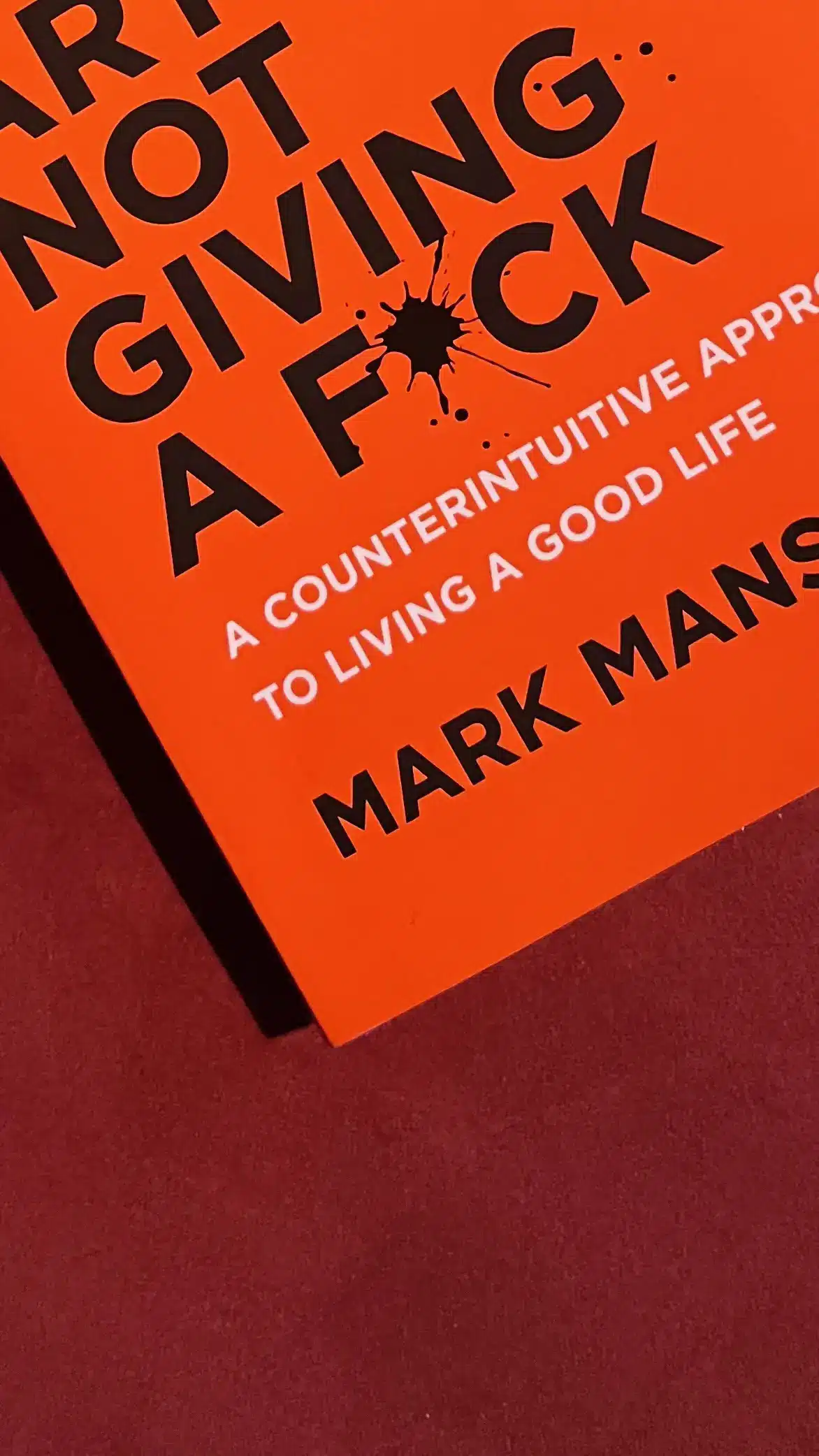
Mark Manson’s book The subtle art of not giving a f*ck was recommended to me. And this time, I read it.
I had seen the book in bookshops for years, typically on prominent display in airports. But the bold title somehow put me off, and I put it back on the shelf every time I looked at it.
My scepticism didn’t diminish when I finally bought the book. Manson was in his thirties, yet he sometimes sounded remarkably confident that he had figured out answers to some of life’s biggest questions.
Does the message need such a provocative title?
The f-word and its close relatives appeared frequently, especially at the start of the book.
My wife, with her nice English upbringing, actually had doubts about me reading the book in public places. Its daring title seemed rather at odds with the bright orange cover. As a working-class boy who spent his childhood in rural Norway, I’m not uncomfortable with spicy language. Not at all.
I see the language as a conscious choice, a hook Manson uses to set a tone and grab attention.
That’s fair enough.
But it also made me wonder: do we really need provocative language to discuss what causes us suffering, or what makes life meaningful?
Judging by the millions of readers who have picked up his book, Manson’s approach has certainly worked.
Not giving a f*ck doesn’t mean not caring
Foul language aside, Manson discusses important questions. And no, he’s not advocating indifference. Not giving a f*ck doesn’t mean not caring about anything. It means being more selective about what deserves our attention, energy, and commitment.
He challenges familiar assumptions with deliberately provocative chapter titles such as Happiness is a problem, You are not special, and The value of suffering.
His point isn’t that happiness, for instance, is bad or that we should stop pursuing it. Rather, the pursuit of immediate pleasure can become a problem when we look for happiness in the wrong places, or expect life to be free of discomfort.

The challenge of knowing what matters
All in all, Mark Manson arrives at a simple truth: we should care about what’s really meaningful and commit ourselves to it. A meaningful life isn’t about avoiding discomfort; it’s about deciding what’s worth experiencing that discomfort for.
It’s hardly a revolutionary insight. But that doesn’t make it any less important.
Sometimes, we need reminders of the simple truths. In the rush and noise of modern life, it’s easy to forget.
Of course, deciding what matters isn’t always straightforward. A wholehearted devotion to something important can be wonderful. But over time, we might realise we’ve allowed that one thing to crowd out everything else.
When knowing isn’t enough
However, the biggest problem may not be understanding these simple truths on a rational level. The difficult thing, in my experience, is applying them when we’re in the middle of an emotional storm, for instance, when old trauma is triggered.
When anxiety is about to rip your intestines out, it’s difficult to step back and remind yourself that the thing you’re worrying about may not deserve the attention you’re giving it. Knowing that something isn’t worth worrying about doesn’t necessarily make the worry go away.
Sometimes, the challenge isn’t deciding what matters. It’s learning to respond differently to the things that affect us, even when we know they shouldn’t have such a hold on us.
Perhaps this is what we need a subtle art for.
One picture used in this article is an AI-generated illustration. The person in the picture resembles me, but it isn’t a real picture.
If you want to share this article with someone, please feel free to use one of the sharing icons below.











Post Comment
You must be logged in to post a comment.