Am I autistic? #6: The shame of being different
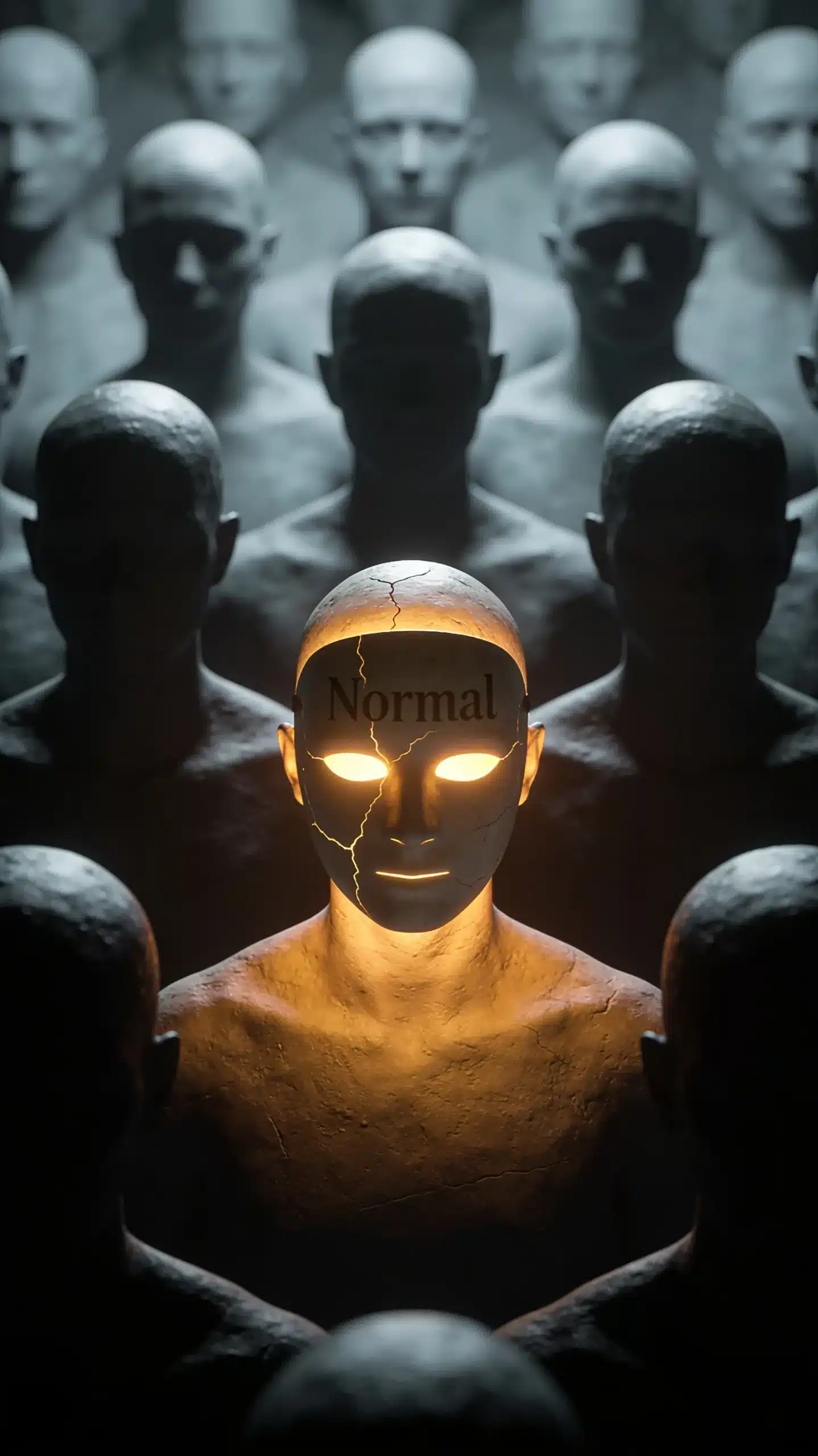
Am I autistic?
That’s a complicated question, as I’m trying to explain in this series of articles. However, it’s not a question that scares me. Not now. Not at all. I will return to this.
However, imagine you walked up to me some decades ago and asked, “Are you autistic?”
I would probably be quite offended and highly defensive.
“What do you mean, autistic? True, I’m a bit introverted, but there’s nothing wrong with me.”
Did you hear that? This previous version of me would automatically assume that “autistic” = “wrong” and fiercely defend himself against such allegations.
That’s rather interesting and not particularly uncommon, so let’s explore the initial question from the viewpoint of this previous version of me.
The logic of denial
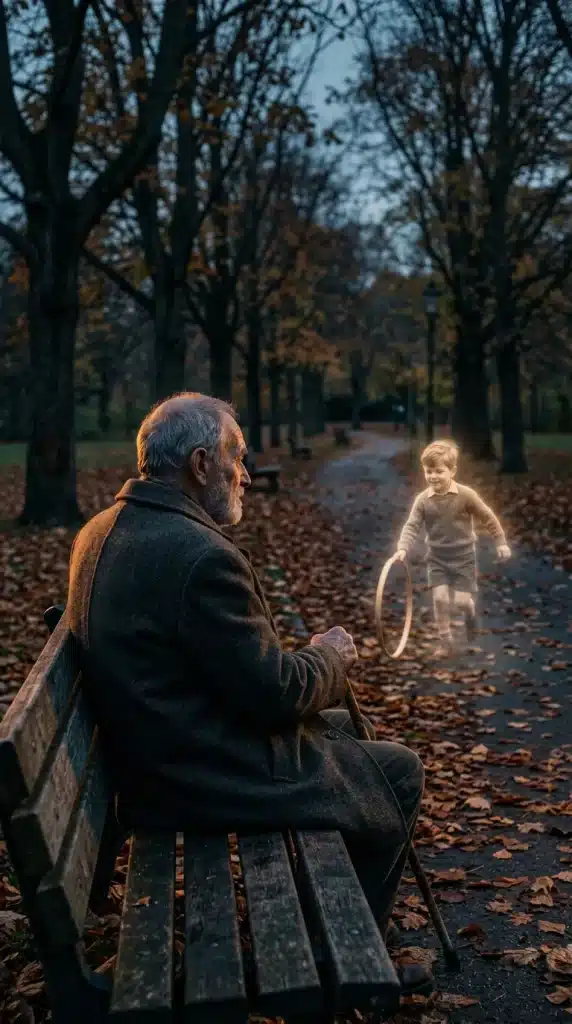
It remains to conclude whether I have prominent autistic traits. One thing’s for sure, however: if I were autistic, then the previous me would stay in denial as long as possible.
I was rather good at denying the fact that I suffered from anxiety and depression. For forty years.
But denial isn’t a flaw in itself. It’s one of many defence mechanisms built into us to increase our probability of survival. If you find yourself denying reality in one way or another, it’s likely because your brain, mostly subconsciously, has good reason to believe it’s dangerous not to deny reality.
That’s what we’re going to look at from the perspective of the previous me.
Where I learned to fear being different
Where I came from (rural Norway, 1970s and early 1980s), not being “normal” was dangerous.
Not dangerous in the same sense as growing up in the Gaza Strip today, or being a diary-writing Jewish teenager hiding in an Amsterdam attic in the 1940s.
But dangerous enough, if you weren’t dull-witted or insensitive enough to ignore the bullying, stigma, ridicule, back-stabbing, ostracising, and, sometimes, violence generously distributed to everyone who didn’t qualify as “normal”.
I sincerely believe few people were objectively qualified as “normal” back there. Even the bullies. Most people were good at lying, though, when playing the part of being “normal”.
“Autistic?” wasn’t a neutral question
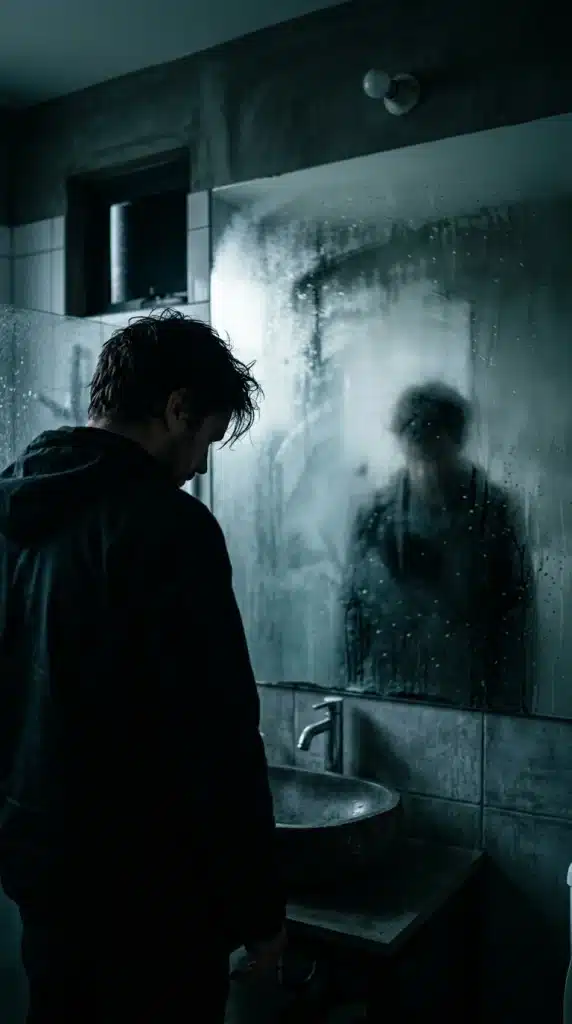
So what would this mean, then, if you turned up where I came from (rural Norway, 1970s and early 1980s), and asked me (or anyone), “Are you autistic?”
First of all, you would create annoyance, because “Autism” would be an unfamiliar word for them. Using unfamiliar words could indicate you had too high thoughts about yourself, that you believed you knew more than they did. Which was a capital sin.
Then, if you explained what “Autism” meant, the annoyance would likely turn to anger. If your audience were enjoying their home-made alcohol at the time of your question, which wouldn’t be too improbable, you might even have got your nose punched.
Why?
There was no room for difference
This was a culture where not even entirely common and usually temporary ailments like depression and anxiety were tolerated. If you admitted you suffered from one of them, you would immediately be labelled crazy(!) and weak. A whiner!
What about LGBTQIA+ people? Well, I remember hearing about a boy from my college who was beaten up under suspicion of being gay. Naturally, no one ever admitted they were part of the mentioned rainbow.
People of colour? There was hardly any. You were expected to talk negatively about them anyway.
So, imagine if someone came up to you and claimed your brain was wired differently from the majority of brains… Forget about it! You could just as well tattoo “Bully me, please!” on your forehead.
The world has changed – but has it changed enough?
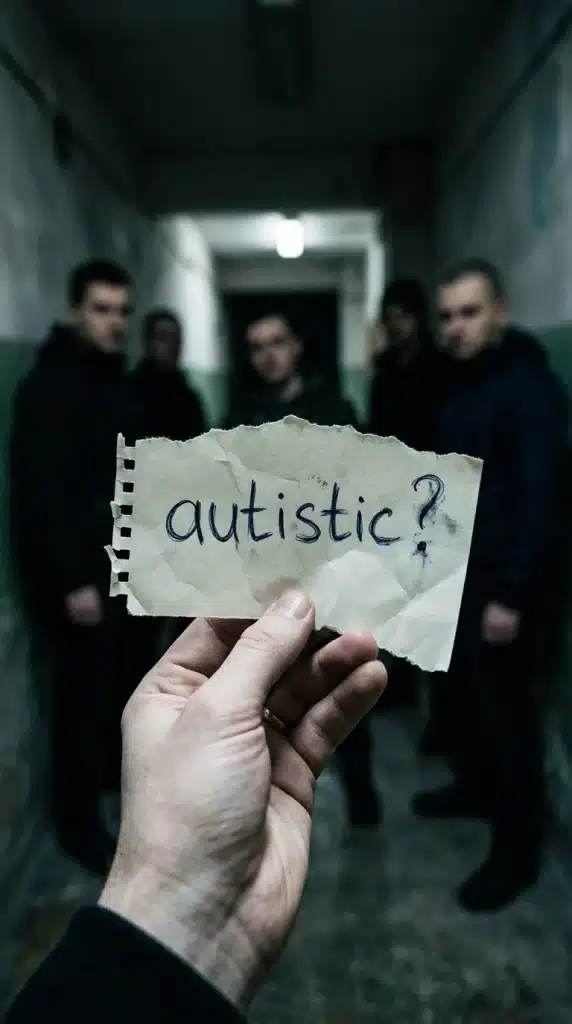
But this was a long time ago, right?
Well, I’m not too sure about that. For my part, I had never even heard about autism until the 1988 film “Rain Man”. And Dustin Hoffman’s Raymond wasn’t a person I easily identified with.
Almost 30 years later, around 2015, I tried seriously to understand what autism is. But most of what I read was still so entrenched in old stereotypes that I couldn’t quite align my experience of the world with it.
Add another 10 years, and I now have an entirely different perspective after having read a long row of books written by autists themselves.
A more balanced, realistic, and less judgmental view of autism hasn’t been available that long. And prejudices remain very strong among most people.
The weight of the word “disabled”
Yes, but today, I’m surrounding myself with friendly, open-minded people. There’s no need to stay in denial.
Well. There is the thing about disability.
Autism is considered a disability. Not because all autists would necessarily have a problem living a full, happy life, except for the fact that almost every aspect of our modern Western society is made to fulfill 100% the needs and wants of “normal”, “average”, “ordinary” people. Everyone else, including autists, will to some extent be disabled in this environment.
The problem is, where I came from (yes, still rural Norway, 1970s and early 1980s), your worth as a person was so synonymous with being useful that calling someone “disabled” was used as a deliberate insult.
The memories of your childhood bullies stay with you for a long, long time, don’t they? I could consider labelling myself “disadvantaged” in some circumstances. But “disabled” is very hard to accept.
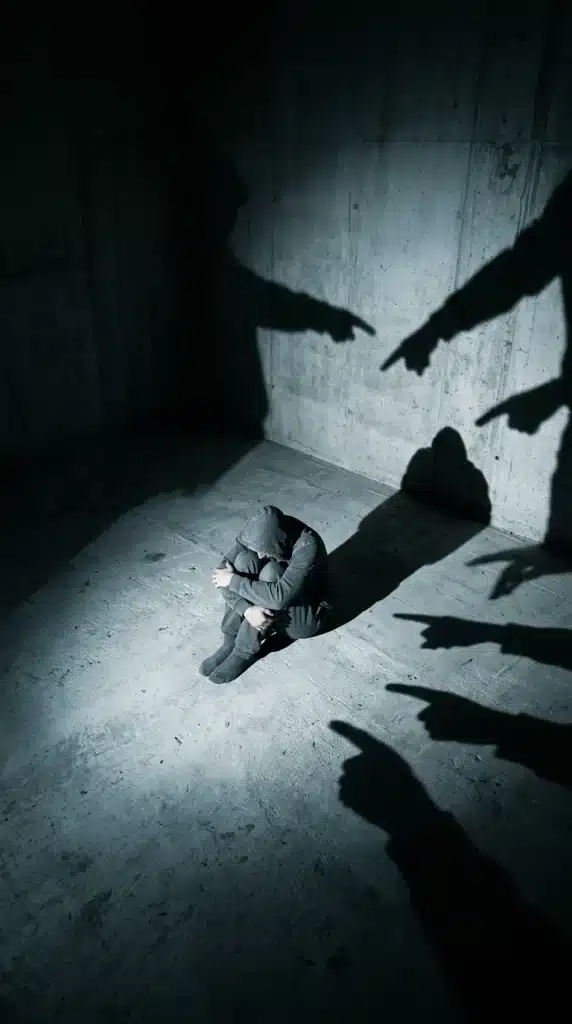
Naming the enemy: Shame
Staying in denial about my potential autism would seemingly have come down to one thing, then.
Shame.
And I believe that’s the problem for many people in a situation similar to mine.
It’s just that I’ve been up against this opponent before. Good old shame, he and I had our battles. For decades. And I won! I’m not ashamed of who I am anymore, whoever that turns out to be. And if it proves appropriate to add autism to the full picture of who I am, that won’t change a thing.
Shame could have been a major obstacle to clarify the question, “Am I autistic?”, but it won’t be for my part.
But I’m not quite finished here. I believe there’s at least one more thing that can keep people in denial.
The grief of what might have been
Especially if they have reached the later part of their lives, as I have.
It’s not easy to look back at your life and know it could have been different. “If I only hadn’t been like this!” Or at least: “If I only had understood this earlier!”
Yes, if only…then things would have been different indeed.
Perhaps it’s better to just ignore it all? It’s too late now anyway.
No, it isn’t. If you’re in this situation, what you probably refuse to face is the grief of what wasn’t. And the grief of what could have been, if only…
However, this grief may be necessary to go through.
In truth lies self-respect
Because we shouldn’t ignore who we really are. And it’s never too late to make peace with our authentic selves, to become proud of them.
This is a question about self-acceptance and self-respect.
For me, if my conclusion turns out to be that I have significant autistic traits, well, that would just mean a deeper understanding of myself and an improved ability to take care of myself in the future. There would be no shame in it for me.
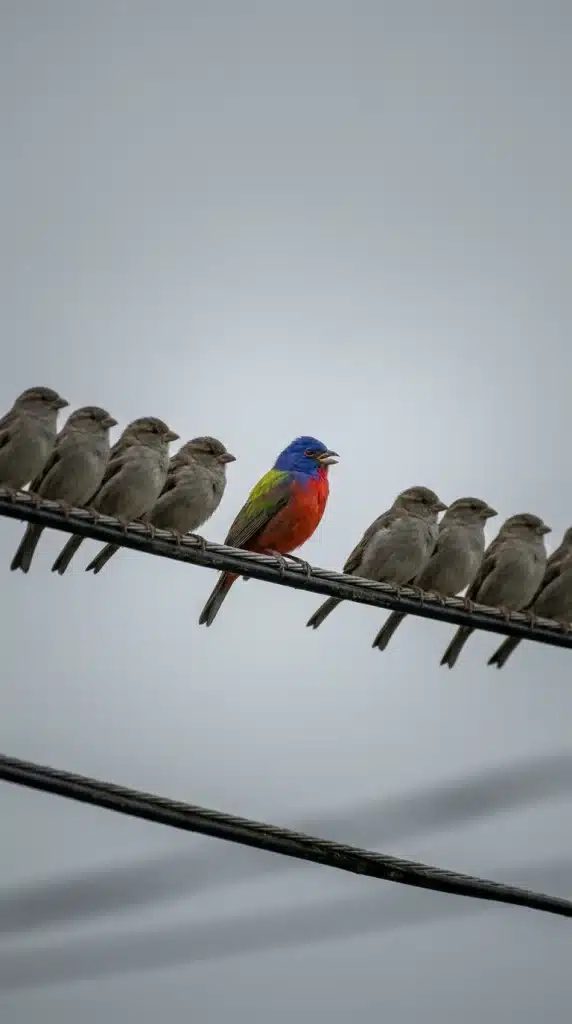
Different was never wrong
If you are exploring the same question, remember you don’t have to shout it from the rooftops, as I do. What’s important is that you know and accept yourself.
Grieving what life could have been is excellent, because it clears the desk to look at what life can be from now on.
“There’s nothing wrong with me.”
If you still say this, good, and it’s true. Including if you’re autistic. You may be different from the majority of people, but that has never been wrong.
And thinking of what was considered “normal” where I grew up, then being “different” is a badge of honour.
Let’s allow ourselves to be a bit proud of that.
All pictures used in this article are AI-generated illustrations.











Post Comment
You must be logged in to post a comment.