Separating who I AM from what I FEEL: A personal account
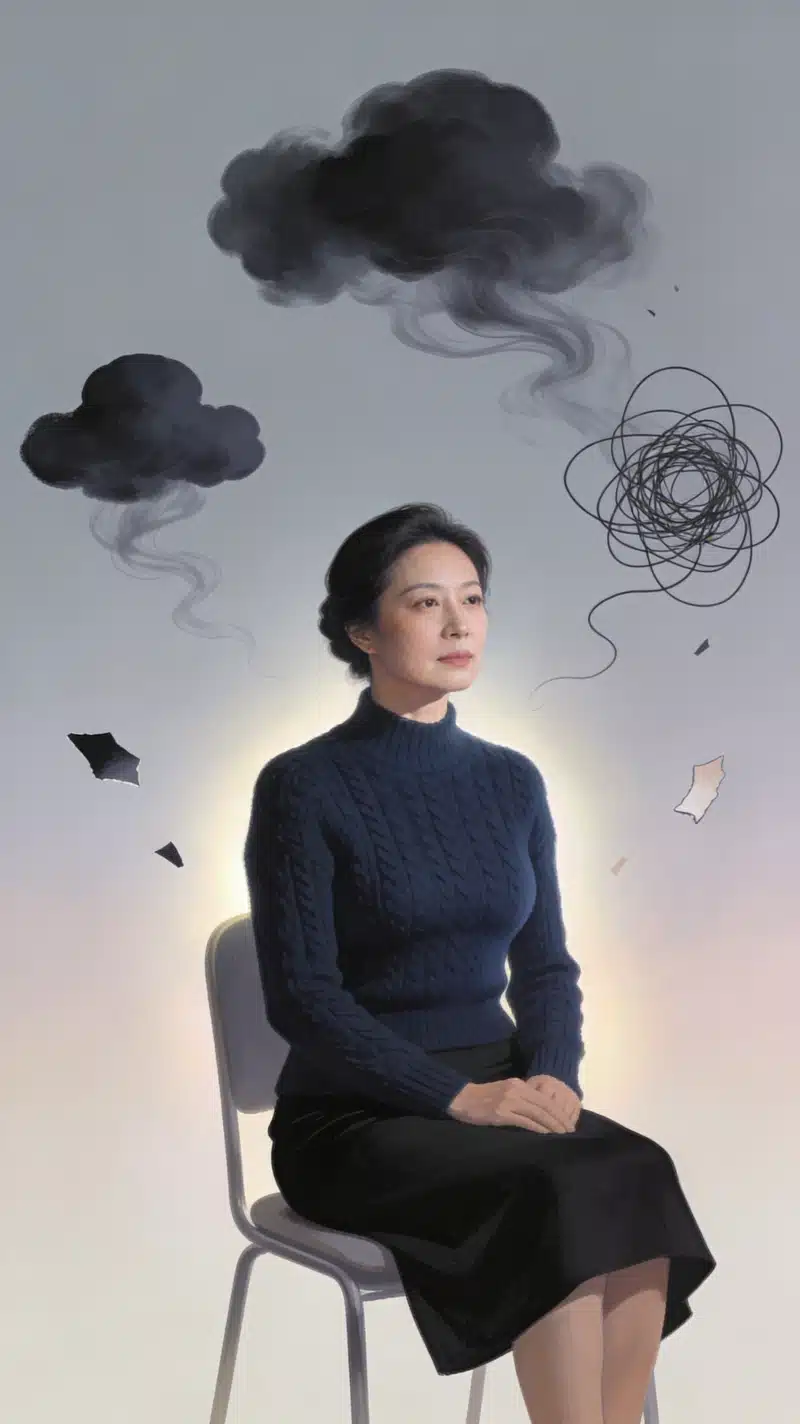
In my article Anxiety and depression: Something you FEEL, not what you ARE, I’m stressing the importance of understanding the difference between your identity and existence on one hand, and your thoughts and emotions on the other hand.
What you feel is your reaction to what happens to you. This is important, and it’s real, but it doesn’t define who you are.
I will now tell the story about how I came to realise this difference myself.
When suffering becomes your identity
Sometimes, there’s no end to the roads we walk to avoid the truth.
I spent 40 years in denial, refusing to even admit that I suffered from anxiety and depression. The main reason was shame. I didn’t want to be “different”. I didn’t want people to know I was “weak”.
And of course, when I was forced to acknowledge my problems, I still couldn’t see the difference between suffering from something and being something. I was anxious and depressed. This was me, my identity. Flawed and damaged. Ashamed.
The barrier that kept me from healing
This mindset was a significant barrier to my healing.
In most cases, it’s possible to heal and recover if you’re suffering from something. A broken thigh bone, for instance. A toothache. But how on Earth can you heal who you are?
After having refused to acknowledge my problem for forty years, it was still an ongoing process for quite a few years to realise the difference between what I felt and who I was.
Surprisingly, I stumbled upon the answer within religions. No, I didn’t “find Jesus” or anything like that. Even though I tried.
Looking for answers in ancient scriptures
At some point, I was so desperate for answers, for something that could help me, that I started “shopping around” in the religion department.
How nice it would have been if I could have just opened an old scripture and found the answer to all my problems? Not only would it have been an utterly welcome quick fix. It would also have spared me the hard and dirty, but still necessary, work I needed to do myself.
But this isn’t how things work in real life.
At least if you’re not inclined to surrender unconditionally to someone’s ready-made solutions. And I’m not.
Not if you need to understand instead of just accept. And I do.
Why Buddhism spoke to me
However, there is always something to learn wherever you are and whatever you do.
After having gone through shelf-fulls of books about Christianity, Islam, Judaism, Taoism, and Hinduism, I concluded that the only thing that resonated with me at some level was Buddhism.
Probably because the inner core of Buddhism isn’t a religion at all. If you strip away the religious tinsel and baubles hung on it later, it isn’t a pill of beliefs you must swallow whole. It’s more of a philosophy, a framework for understanding yourself and your condition.
Yes, it’s old and coloured by Indian culture 2,500 years ago. But the human mind itself has remained unchanged over that time.
Realising my thoughts and emotions weren’t me
Anyway, what’s relevant here and now is that my flirtation with Buddhism introduced me to the concept of meditation.
I say ‘concept of’, because no one would say I’m a dedicated and adept meditator. However, an essential part of beginner-level Buddhist meditation is to watch your thoughts and emotions come and go without judging them.
What a revelation!
Because if I could watch my worried thoughts come and go, if I could notice my anxiety ebb and flow, they were something I could point out and separate from me, at least for a while.
And if I could observe something emerge, change, and disappear, this “something” couldn’t be identical to me, the observer.
A long detour to a simple truth
A massive revelation indeed!
I’m ready to admit that the detour through a stack of ancient religions was unnecessary, although still highly interesting.
Modern “inventions” such as mindfulness and even cognitive behavioural therapy (CBT) have borrowed heavily from time-honoured meditation techniques and could perhaps have brought me to the same realisation straight away.
However, I’m not known for always choosing the shortest, easiest path.

The difference that creates hope
Nonetheless, you don’t have to do the same diversion.
If you’re suffering from anxiety or depression, acknowledge your problem. It’s not possible to start your healing journey without admitting the problem exists.
Then, make sure you really understand this is something you suffer from, not something you are. Because you can’t change who you are deep down. But it is possible to do something about the anxiety and depression you suffer from.
What difference does it make?
The difference is hope. Hope is to feel that change is possible. Hope is what you need to take the first step on your healing journey.
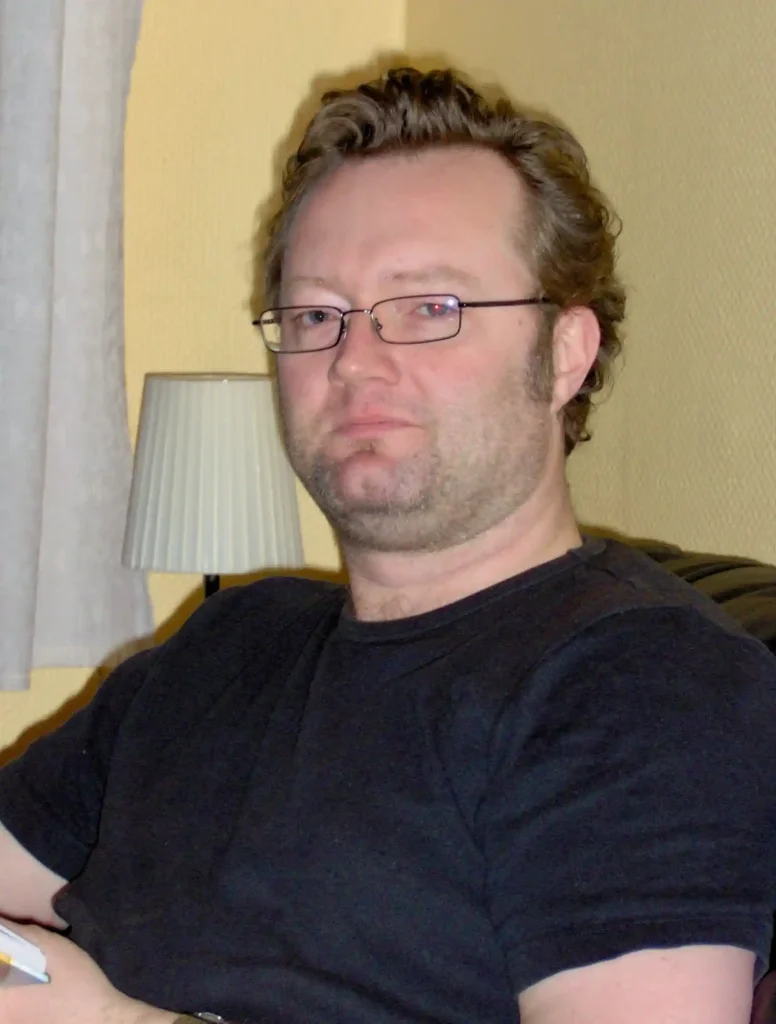
All pictures used in this article are AI-generated illustrations, except the picture of me from 2005.











Post Comment
You must be logged in to post a comment.