Am I autistic? #4 What if trauma and autism look the same?
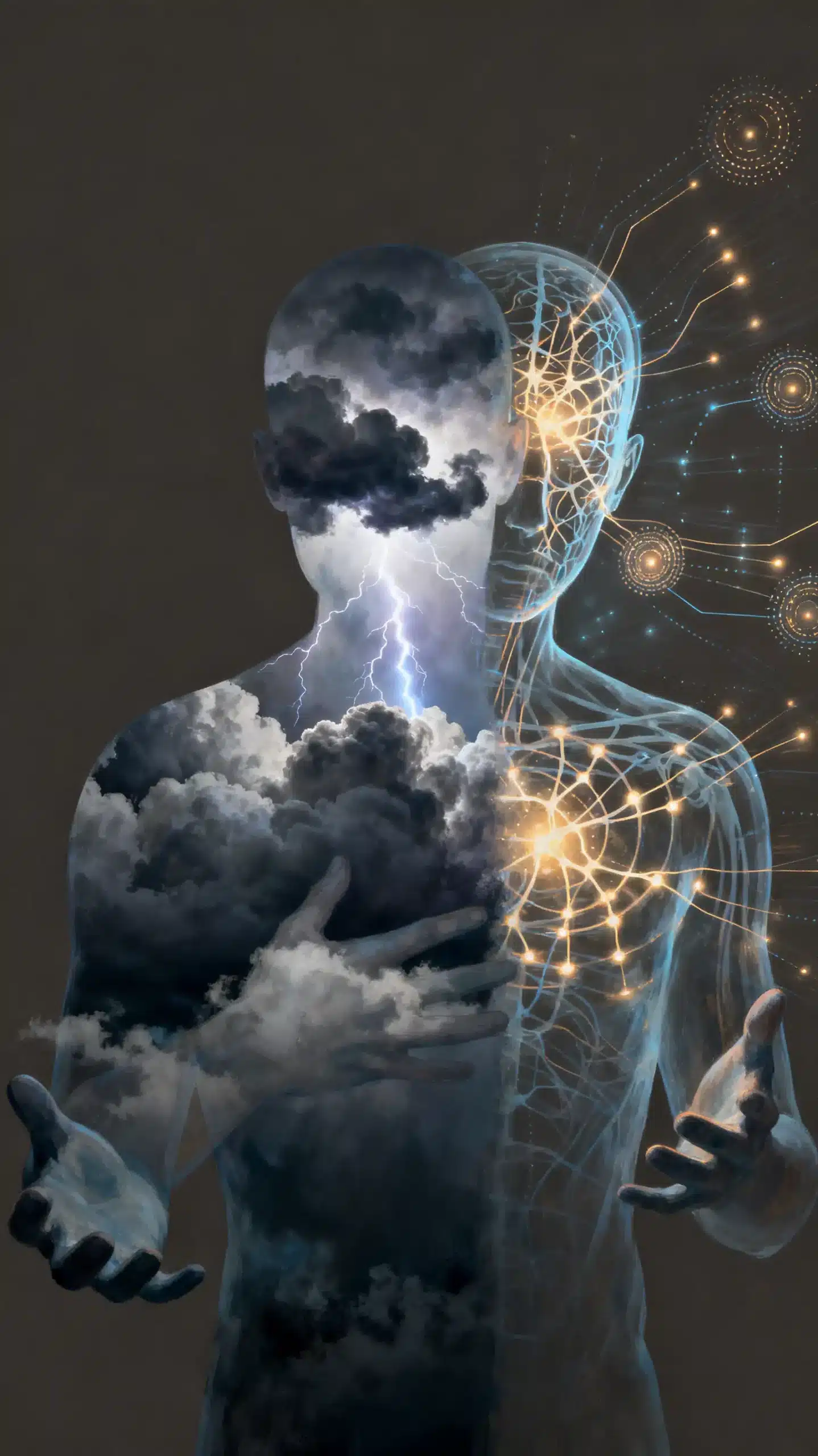
Am I autistic?
My third problem in seeking the truth was the classic nature-versus-nurture question.
If I’m autistic, that’s definitely nature. It would mean I was born with a brain wired differently from the majority of people.
But I’ve lived for a while now. 22,375 days at the time I’m writing this. Many things in my life may have shaped my personality.
If I look at my personality now, with all its dents and edges, what shapes was I born with, and what shapes has life hammered into me?
That’s the question.
When life leaves invisible scars
Life isn’t always a walk in the park.
And sometimes, it leaves scars that won’t easily heal.
I struggled for a long time with accepting my scars or explaining them. Let alone using the word trauma. Because others had experienced much worse things and still coped reasonably well.
This was at least halfway answered when I realised the question isn’t about what happened, but about what harm it caused. And the harm can be quite different for two people, even from the same situation.
Could trauma explain who I became?
Formally, I can’t claim I have PTSD (Post-Traumatic Stress Disorder) or C-PTSD (Complex PTSD), because these are medical diagnoses I’ve never been assessed for.
However, I can identify to a relatively high degree with most of the main diagnostic criteria:
H3 Headline:
PTSD
- Re-experiencing the traumatic event or events in the present in the form of vivid, intrusive memories, flashbacks, or nightmares.
- Avoidance of thoughts and memories of the events, or avoidance of activities, situations, or people reminiscent of the events.
- Persistent perceptions of heightened current threat.
C-PTSD
In addition to all diagnostic criteria of PTSD:
- Problems in the regulation of affects.
- Beliefs about oneself as diminished, defeated or worthless, accompanied by feelings of shame, guilt or failure related to the events.
- Difficulties in sustaining relationships and in feeling close to others.
When trauma and autism start looking alike
The problem is that many of the same symptoms, traits, and behaviours can be related to autism.
Let’s look at alternative explanations for some examples of the dominant tendencies of… being me.
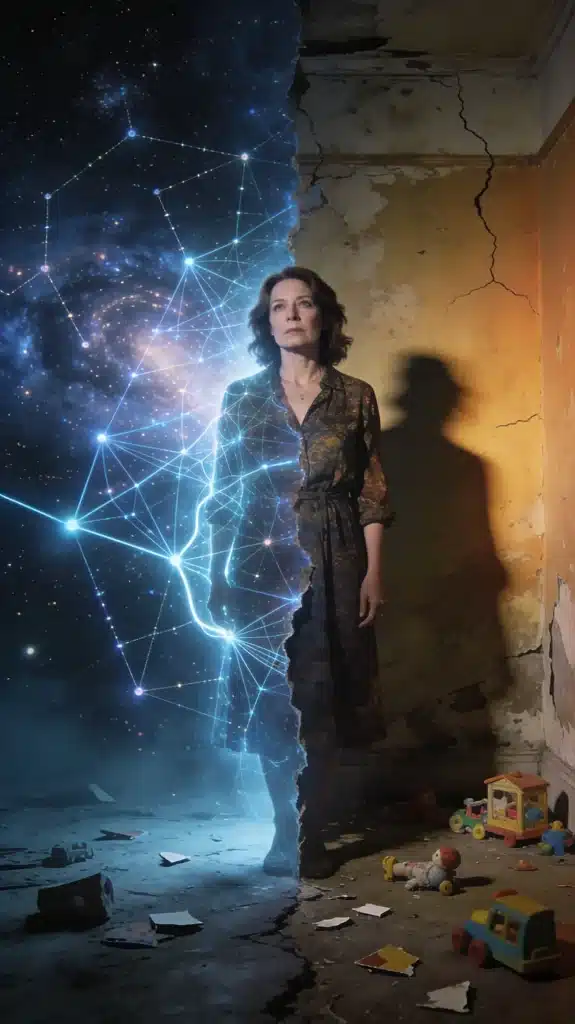
The socially withdrawn me
I’m no social butterfly, that’s for sure.
I need a lot of quiet time, and socialising with those closest to me is usually enough. I do enjoy meeting other people, but preferably one at a time, not spontaneously, for a controlled duration, in a low-stress, low-noise environment.
A post-traumatic explanation could be that social situations are intimidating because of terrifying experiences with some types of human interaction, and a brain wired for hypervigilance and threat management makes it all way too draining.
But an autistic brain’s way of processing verbal and non-verbal communications, while also managing all other sensory input in the moment, could make it just as exhausting.
The easily overwhelmed me
Yes, sensory input in general is another keyword here.
For me, the problem is primarily visual and auditory noise. For instance, flashing Christmas decorations feel really stressful, a loud motorbike passing by is like a punch in the face, and a social event with a lot of background noise drains my energy away quicker than the water leaves a bathtub.
All of these things may be trauma triggers, connecting me to unfortunate experiences in the past. They might also easily overload a highly detail-oriented, bottom-up processing autistic brain.
The maximum anxiety me
I have my moments when anxiety blasts through the ceiling and rationality goes down the drain. Sometimes it happens when I’ve overstretched my ability to cope. And sometimes it happens just “out of the blue”, as if lightning strikes totally unexpectedly.
Intense reactions with uncontrollable, emotional overflooding are a known post-traumatic symptom. However, an autistic meltdown could look and feel rather identical.

The muted me
In these maximum anxiety situations, it takes me an extreme effort to express myself verbally. When speaking English, my immigrant accent gets substantially worse (yes, that’s possible!), and I often struggle hard to even find words that are a well-used part of my daily vocabulary.
Interestingly, the challenges are about the same when speaking Norwegian, a language I’ve mastered well for almost 60 years.
Of course, everyone may have problems expressing themselves under high stress. And stress levels are high indeed when post-traumatic reactions are triggered. However, the outward result would be about the same under autistic overwhelm and meltdown.
The predictability-seeking me
Until I was in my mid-fifties, I lived a life where I never knew what would happen next. This goes for both my professional and private lives. And now, I finally realise how important predictability is for me.
Of course, I understand that in a modern, high-speed, crowded, busy life, predictability is as rare as a genuinely black tulip. Each one of us must relate to dozens of other people every day, and humans want what they want. At any time. Immediately.
A natural post-traumatic response to this would be trying to establish structure and routines to reduce anxiety and the probability of triggers and overwhelm. And even though the background is different, it’s perfectly understandable to want the same as an autist.
The stimming me
When I started exploring my potential place in the landscape of autism, the concept of stimming (self-stimulation) was one of the things I found it hardest to relate to. I don’t stim! I’d never jump up and down, flapping my hands!
As often before, old, simplified, and misleading stereotypes blocked my understanding.
So, how about me always bouncing my knees while working? Until I noticed, 20 years ago, that people sometimes looked at me. From then on, I discreetly wiggled and curled my toes inside my shoes instead.
But the thing is, everyone self-stimulates and self-soothes. Some are touching their hair, some are stroking their chin, some are fidgeting or doodling. Under high stress, most of us may resort to rocking our bodies in one way or another, or do whatever works to soothe ourselves.
This will, of course, include trauma survivors handling flashbacks or dissociation, and autists self-regulating when overwhelmed by either stress or joy.
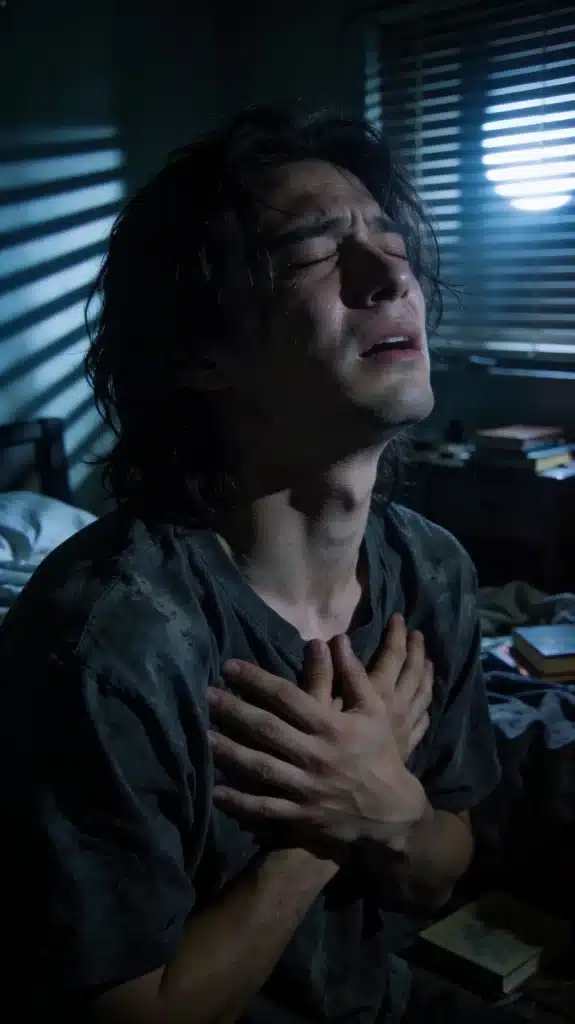
Same behaviours, different origins
This list could have been continued.
However, it’s obvious that both trauma survivors and autists may experience the same situations in a similar way, and the observable behaviours might be the same.
Nevertheless, post-traumatic and autistic experiences have different causes and origins.
The origins of psychological trauma
Psychological trauma occurs because something unfortunate has happened to you, regardless of whether there are acute or long-lasting reasons for the harm.
Yes, your brain’s wiring may unfortunately change, as it believes this will increase your chances of survival. You may, for instance, become hypervigilant, always on the lookout for new risks.
Trauma has an experienced cause, even though we might not always be able or willing to identify it.
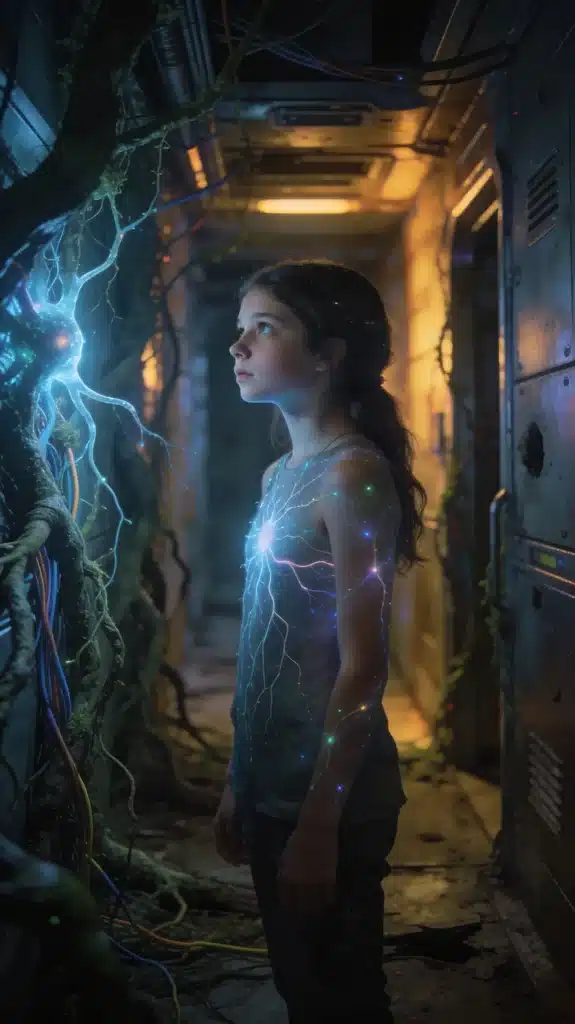
The origins of autism
So far, it seems like few sources are willing to say anything definitive about the causes of autism. Perhaps there isn’t a simple cause-and-effect relationship. Perhaps autism isn’t one single thing.
However, there seems to be a good consensus that autism is about differences from the “normal” in how the brain collects and processes information. This is a difference in construction rather than an adaptation, unlike the rewiring that may occur after traumatic experiences.
Furthermore, this is likely a difference you are born with, not a result of something you have experienced.
Nature, nurture, or both?
So, to sort out my initial nature-versus-nurture problem, the immediate questions will not surprisingly be: Was I born this way? Or did I become this way because something happened?
And the answer is: I really don’t know.
I didn’t grow up in what hopefully is a normal, supportive environment for a child. There was a clear potential for psychological harm long before the age of my earliest conscious memories.
The possibility that finally makes sense
But if I’m autistic, this may finally complete the answer to one of the questions I touched upon at the start of this article:
Why did I come out of it with so many and so deep wounds, when others have experienced more or less the same and seemingly cope much better?
Being autistic will always make you much more vulnerable in an uncaring, toxic environment. Bullies will spot your differences instinctively and immediately, and make you pay for them. Furthermore, your limited understanding of social rules, a tendency to get overwhelmed easily, and a complete lack of understanding of your situation in your environment won’t help at all.
For my part, a combination of autistic traits and trauma makes sense entirely.
How about you? Think about it!
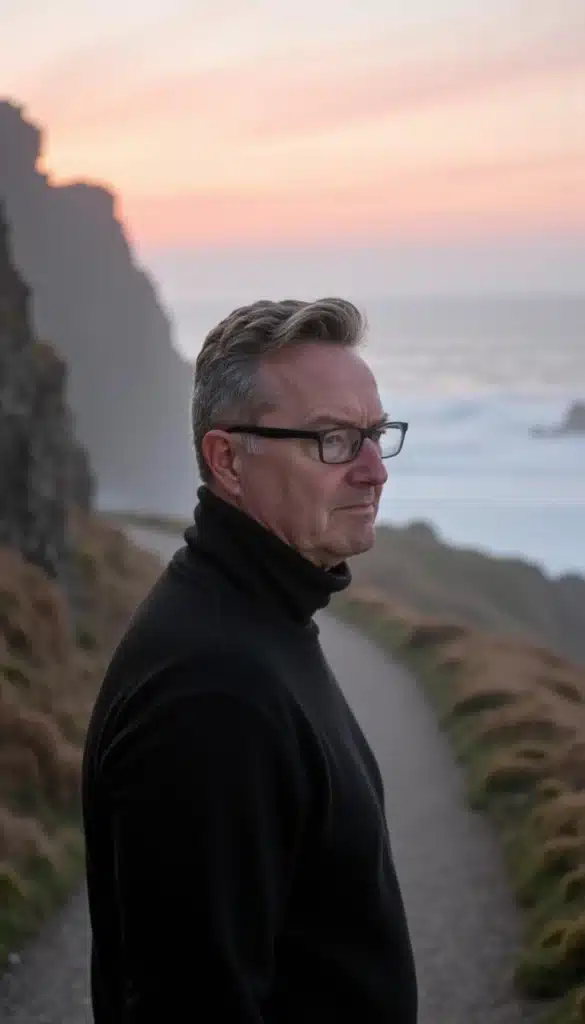
All pictures used in this article are AI-generated illustrations. One of them resembles me, but isn’t a real picture.











Post Comment
You must be logged in to post a comment.