Am I autistic? #1 The start of a new journey
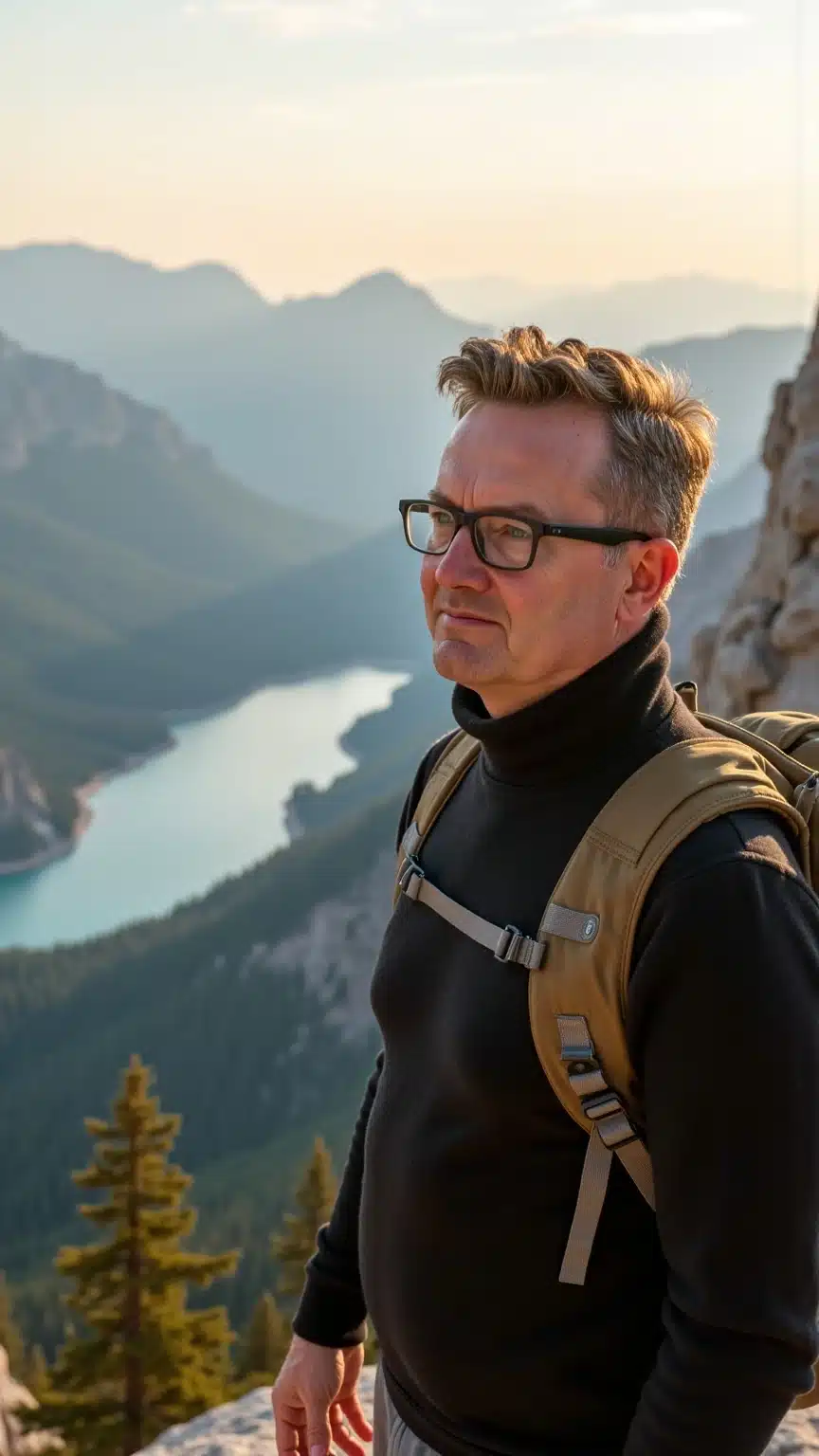
What if “feeling different” isn’t a flaw–but a clue?
I’ve always felt different. And most of the time, I believed it was because something was inherently wrong with me. End of story. A simple and convenient explanation for everyone.
But what if feeling different was just an indication that there was something I needed to understand about myself?
For twenty years now, I’ve tried to solve the puzzle of my mind, but there have always seemed to be some pieces missing.
What have I missed?
When a simple question shifts a big picture
My therapist recently made a cautious suggestion. It seemed like she almost didn’t dare ask the question, as if she feared I would be seriously offended. Finally, she said:
“Have you ever considered whether you may have autistic traits?”
I had to laugh. Of course, I couldn’t have excavated my mind for twenty years without having considered this as a possibility. I studied autism extensively about fifteen years ago, but I couldn’t really make it add up as “being me”.
I told her why I didn’t see it as a good match.
Why autism didn’t seem to fit me
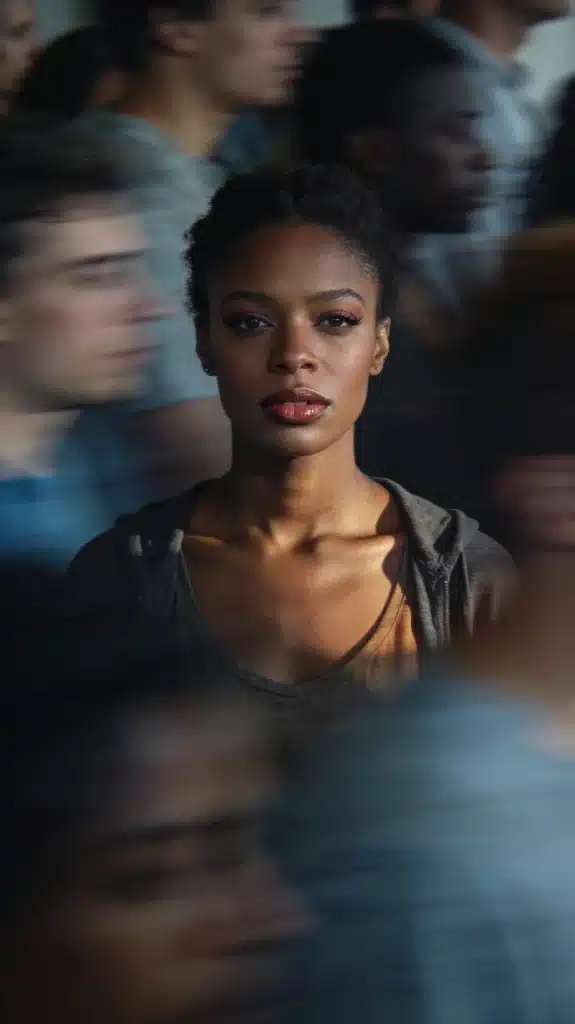
I hadn’t even heard of autism before I watched the 1988 film ‘Rain Man’, where Dustin Hoffman famously played the autistic Raymond. With this as the only reference, I didn’t identify with being autistic at all.
However, fifteen years ago, I read almost everything I could get my hands on. I could identify with quite a few things at this point, mainly within what they then described as “female autism”. Back then, they assumed that female autists had different and more muted symptoms than male autists.
Then there were essential things that I didn’t feel matched at all. Here are the most important of them:
Autist stereotype #1: They don’t have empathy
Yes, it was “commonly known” that autists had no idea about what other people thought and felt, and they had no empathy whatsoever.
Which was difficult to relate to. While I often had problems understanding why people behaved as they did, I felt all too keenly the emotional “atmosphere” in any social situation.
If anything, I felt too much what other people felt, not too little. I had no filters to block it out.
Autist stereotype #2: They don’t understand nuanced language
I learned that autists couldn’t understand irony and sarcasm. They couldn’t “read between the lines”. They needed clear, unambiguous instructions to understand what was going on.
I couldn’t relate to this either. I could perfectly well both understand and use irony and sarcasm.
And not only spoken ambiguity. I could also detect minuscule details of unclear nonverbal communication.
True, I can still wonder about why people behave as they do. But I will definitely detect any unexpected tone of voice, hand movement, mouth twitching, or eyebrow-cocking, and my alarm systems will immediately go off.
Letting go of outdated autism stereotypes
My therapist told me to forget about all of this. Most people (including me, I suppose) are still stuck in obsolete beliefs about autism–and neurodivergencies in general. But she said that serious professionals who actually know something about the subject have long since binned these old stereotypes.
It wouldn’t have been me to walk past an unexplored avenue towards understanding.
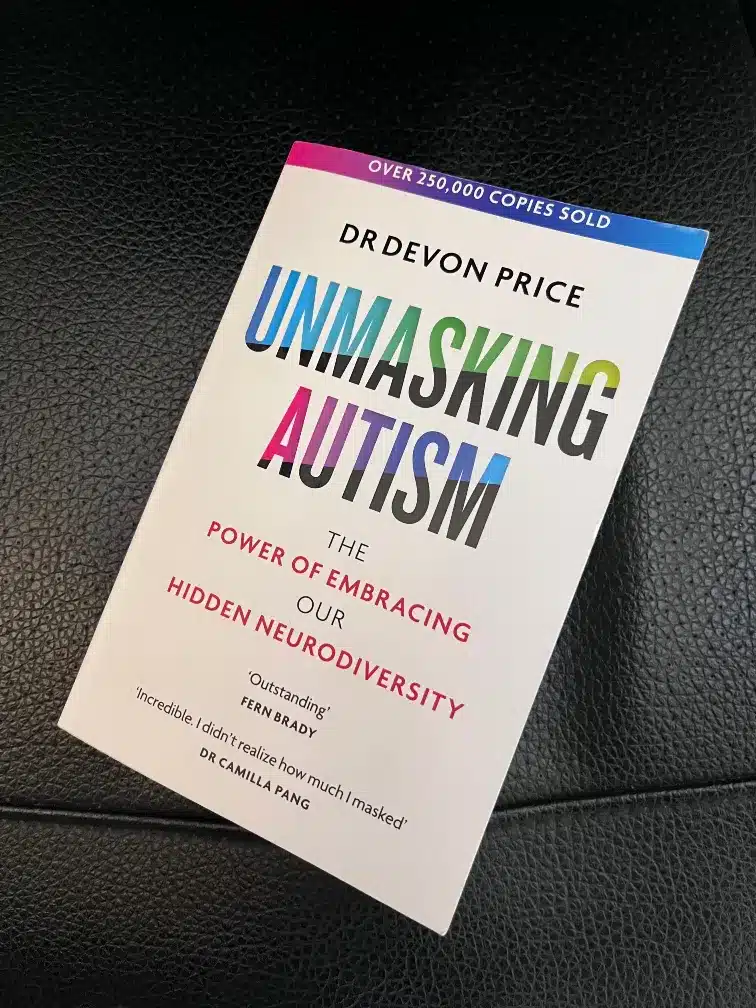
I decided that this time I’d look for information from the only possible authoritative source: autistic people themselves. And I decided to start with Dr Devon Price’s book Unmasking Autism.
Recognising myself and facing a possible truth
Reading the book was an emotional rollercoaster.
Not only did I repeatedly recognise myself in the absolutely stereotype-free descriptions of autism. I was also deeply moved by stories about how autistic people have been discriminated against, ridiculed, bullied, and abused by the majority of the population.
There was no way for me to avoid the decision to start a new journey, an expedition through the landscape of neurodiversity, to see whether and where I may exist in this landscape.
But also, if possible, to raise another voice in support of those who live there, whether I’m a part of it or not.
Am I hunting for a diagnosis?
If you’re asking this question, I think I can understand why.
But the answer is: definitely not!
I don’t “want” to be autistic, or even to have subclinical autistic traits. And a medical diagnosis won’t be of any practical benefit to me at my stage of life.
I would never “fake” a condition like this for any reason, including to make myself more “interesting” or “extraordinary”. This would have been deeply disrespectful towards neurodivergent people.
However, neither would I for a moment be ashamed to own wholeheartedly whatever I learn about myself on this journey. I’m way past being ashamed of who I truly am, whoever this is, or of my reactions to what has happened in my life.
This isn’t about labels–it’s about understanding
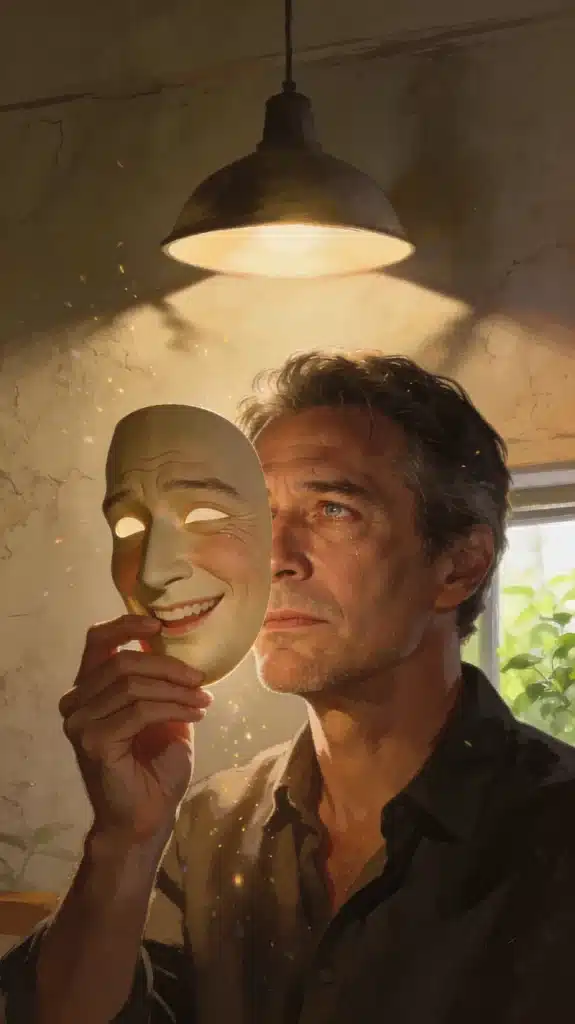
In this respect, the exploration of my possible place in the landscape of neurodiversity is only a small (but perhaps essential) extension of the journey I’ve been on for more than twenty years: the journey of self-understanding.
Yes, perhaps “feeling different” wasn’t a flaw at all. Maybe it was a clue for me to investigate.
And in accordance with the Deliberate 1 mission, I will share what I find, hoping that someone, somewhere, sometime, can find consolation, support, and help in it.
Stay tuned for updates from Tom the Explorer on deliberate.one.
Deliberate 1 is my independent channel for expression and creation.
At the time of writing this article, I have not asked for, been promised, or received payment, services, or any other compensation for mentioning other people’s products or points of view in the article.
This includes Dr Devon Price’s book Unmasking Autism.











Post Comment
You must be logged in to post a comment.