9 pathetic ways we try to be good enough and how to stop
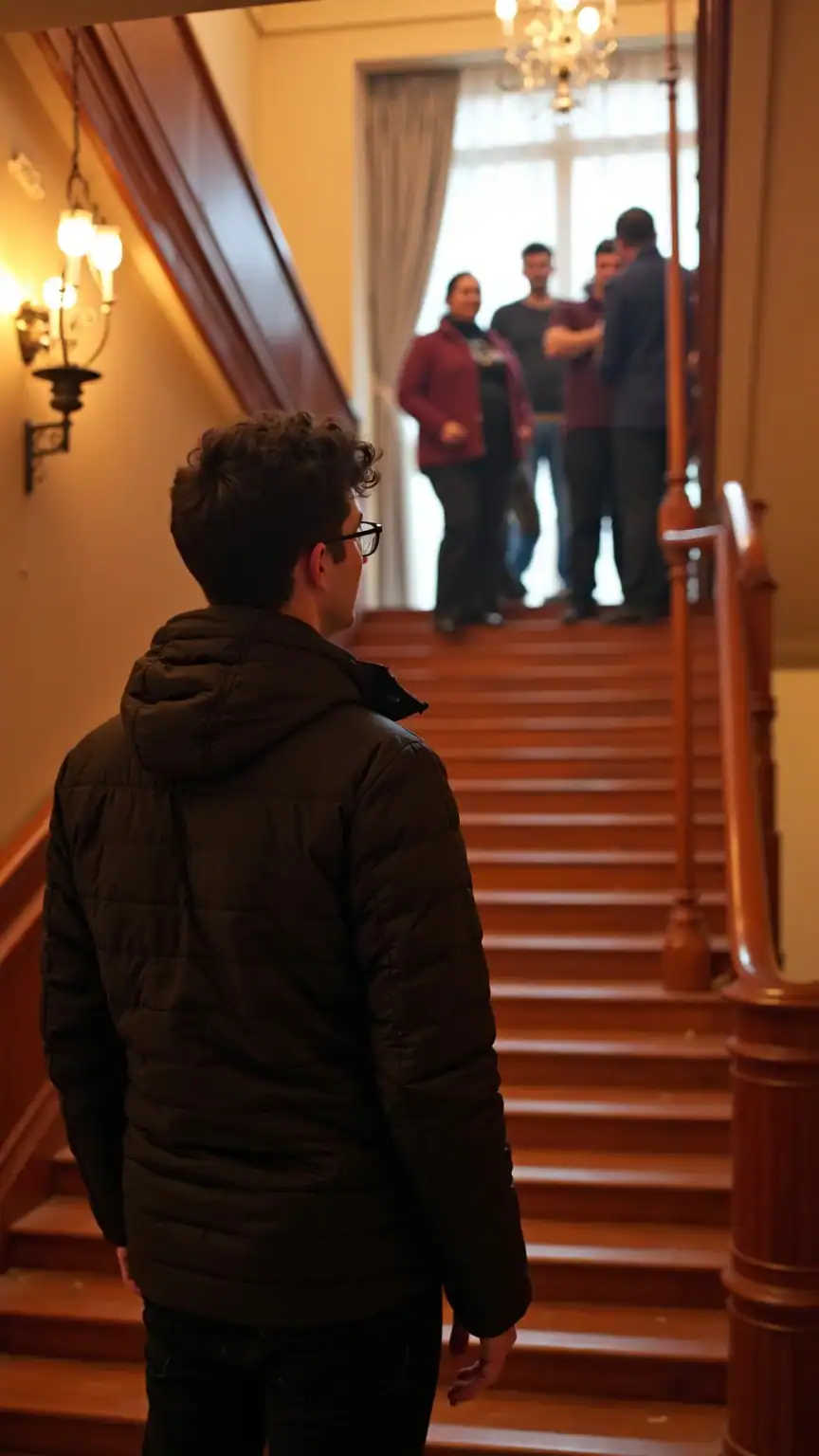
Many of us find it hard to meet ourselves with empathy and acceptance. We are so used to treating ourselves harshly that it may be necessary to train ourselves in gentleness. This takes time and patience; a mental muscle needs to be built up.
But muscles aren’t enough; we also need stamina. Acceptance also means a willingness to stay with what we feel, as long as it is necessary to make it fade.
– From my article Leaving anxiety and depression behind: How to get started.
Few things make me angrier than people behaving disrespectfully, insensitively, rudely, or even cruelly toward others. What really makes me fume is people acting this way towards children or others who are in a disadvantaged position and cannot stand up for themselves. Add cruelty towards animals, and you’ll hear me roar!
However, how have I treated myself most of my life?
Disgracefully! And I’m not the only one, am I?
In this article, we will explore:
- Some reasons why many of us treat ourselves so harshly.
- Why we should look for the reasons why in our childhood.
- The many things we do to try to be good enough.
- Why shame and guilt are such brutal rulers.
- What we really needed as children.
- How to meet and heal the children we once were.
The wounded child inside
Ha, I’m pretty sure this headline made some of you jump in your chairs. Especially some men will think, “If Tom’s going to do this ‘comforting your inner child’ mumbo-jumbo, I’m out of here!”
Well, if you’re thinking this, I believe you have all the more reason to stay. I suspect there’s something you’re trying to avoid facing, and brave men face what they need to face!
I will return to our internal wounded children, rest assured. But first:
Let’s ask, why do we treat ourselves like dirt?
One early morning, 10-15 years ago, I suddenly realised how toxic my self-talk was. I’ve written more about that moment in this article:
However, the constant, 24/7, name-calling, down-talking, self-belittling inner monologue wasn’t the only thing.
Too scared? Too low? Too tired? The voice is there again, “C’mon, you wimp! Stop moaning! You’ve got to push through it! Now!”
If I were leading a group of people on a harrowing journey through the wilderness, would I have motivated those who started to falter this way? Definitely not! Still, this was how I led myself through the wilderness of life for fifty-some years. And I will carry injuries from this expedition, this brutal leadership, for the rest of my life.
Does this sound familiar to you?
If so, it’s time to ask: Why?
- Why do we talk to ourselves this way?
- Why do we treat ourselves this way?
- Why do we push ourselves on and on without ever asking if we’re even on the right track?
- Why do some people, in fact, push themselves straight into an early grave?

Look for the answers in the rear view mirror.
If it’s relevant for you, as it is for me, to ask the questions above, I’m willing to bet a fiver that we should look for the answer in the way we were treated as children. It’s theoretically possible that I’m wrong. Most likely I’m not. Try asking these questions about your childhood:
- Did you feel safe?
- Did you feel respected?
- Did you feel good enough?
- Was it acceptable to be exactly who you were?
- Did you feel supported?
- Did you feel encouraged to discover the world and yourself?
- Was it acceptable to make mistakes?
No? Then there are two of us. And this leads to the next questions:
When you verbally flog yourself, push yourself, call yourself names, and belittle yourself, whose voice do you hear? I mean, whose voice do you really hear? Is it yours?
Or is what you hear the lingering echoes of certain people talking to you in your childhood?
The harsh school
No child should feel flawed. In fact, no child is flawed, and I sincerely believe that no child has ever grown old enough to formulate for themselves the idea that they feel flawed, inferior, worthless, ugly, and not good enough without anyone having taught them they are.
Such teaching isn’t of the gentle type. The pedagogy usually includes this, among other things:
- Constant criticism, mockery, sarcasm, and public humiliation.
- Being consistently disfavoured compared to siblings and other children.
- Not being protected from siblings’ and other children’s bullying.
- Having one’s achievements ignored or minimised.
- Having one’s opinions and feelings dismissed or minimised.
- Being the subject of micromanagement and overly strict control.
- Feeling that one’s worth always depends on pleasing others.
- Being met with rage or coldness if one doesn’t.
It’s a harsh school to get through. It’s no wonder that many of us start treating ourselves harshly. However, the worst thing is this:
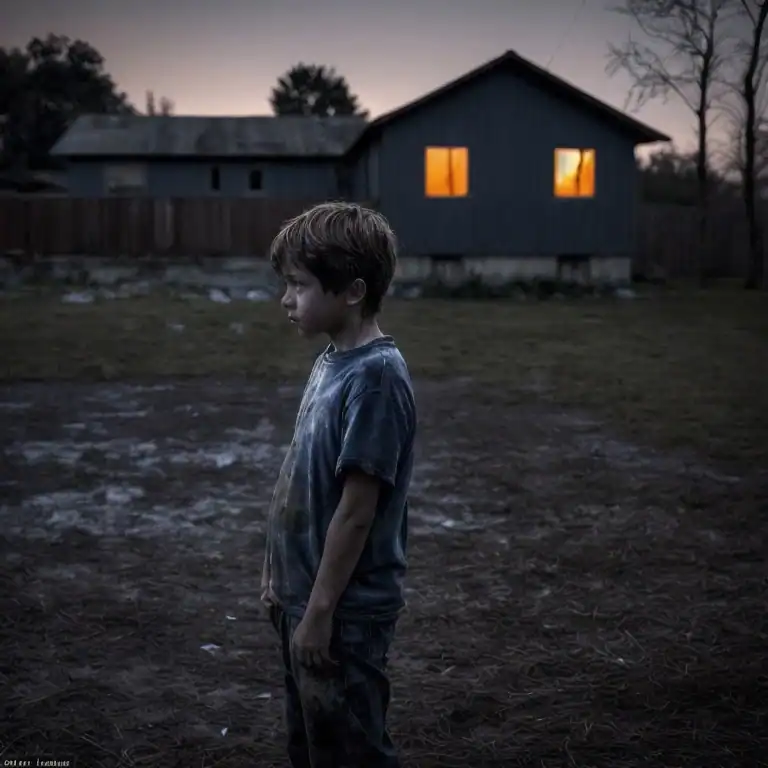
Homeschooling
Most children are born quite resilient. True, some of us are born more vulnerable than others because we absorb more of what happens around us, process more information, analyse everything thoroughly, and have a need to make sense of it all.
However, most of us can take on some battles, even as children, if we have somewhere to retreat to and find safety, understanding, support, and comfort when things get rough.
The problem is, many children don’t. They can’t find this safety anywhere.
They are met with the same harshness, aggression (or passive-aggression), negligence, and sadly, sometimes violence, at home as out in the world.
Nothing harms a child more than being hurt by those who were supposed to look after, protect, and comfort them.
But we grow up, don’t we? Why is it so hard to leave it behind?
Becoming who they said we were.
Long before bullied, abused, or neglected children leave home, they will have internalised all of the mocking, criticism, and repeated humiliation. It starts as being about not living up to other people’s standards, norms, and expectations. It begins as being about something we did or didn’t do. But it soon enough turns into being about who we are.
We are faulty. We aren’t good enough.
We start to see ourselves as the person they said we were.
And this will be so deeply ingrained in us that it won’t go away without some serious work. We’ll return to what this work can be, but let’s first take a look at how a crushed self-esteem can influence our behaviour in life.
9 pathetic ways we try to be good enough
You likely have your ways, as I’ve had mine. Here are some examples, and you may recognise some of them.

#1 Pathological people-pleasing
This is the cornerstone of trying to be good enough, so let’s spend some time on this one.
So, we’d better forget about what we want and need. If we say yes to everything they want from us, if we do everything possible to keep them happy, if we totally erase ourselves from the map, then we must be good enough, right?
Perhaps we even adopt a machoistic point of view, pretending that the pain of not having our own needs met is something good, and our self-sacrifice makes us good people.
Sadly, it won’t help. Because the ones we’re trying to be good enough for are the people who ruined our self-esteem in our childhood. They may not be a part of our lives now, but their voices still haunt us in our heads. And even if they are still a part of our lives, I seriously doubt they are any more interested in making us feel better than they were during our childhoods.
We won’t be good enough for them. Never!
The thing is, the only ones we really need to be good enough for are ourselves. We’ll return to this.
What about the people around us right now? The family we have chosen to stay in contact with, our partners and children, our friends and colleagues, our neighbours? Most of them have no idea about what we’re doing and why. Most of them have never asked us or expected us to annihilate ourselves for them.
However, the problem is that when we start people-pleasing in this way, some people will quickly become accustomed to it and expect us to continue. And it will soon upset them greatly if we don’t.
#2 Chronic conflict avoidance
A natural part of pathological people-pleasing is chronic conflict avoidance. Of course, we can’t stand up for ourselves if we want to please everyone.
But there’s more to this. If we aren’t good enough, if we are born bad, then there isn’t much to stand up for, is there? If we are faulty, flawed, worthless, ugly, stupid, then we are probably wrong anyway, and they are right. So, why make a fuss about it and make ourselves even less acceptable?
Better hide everything deep down in the basement of our minds and hope it goes away.
#3 Becoming invisible
Yeah, isn’t this a tempting survival strategy?
Not opening our mouths. Never standing out. Not following our dreams or living up to our potential, because achieving anything at all can draw their attention to us.
If we stay under the radar, hidden, silent, almost non-existent, then perhaps we are, somehow, good enough? Hopefully, no one will say we aren’t, at least.
If we hardly exist, there will be less to attack us for.

#4 Obsessive overthinking
Imagine if we could look into the future and analyse every potential outcome of every imaginable situation that might arise. Well, then we could be prepared, right? We could ensure that whatever happens, we do the right things, keeping everyone happy, so that we stay good enough for them.
And this is precisely what we do, isn’t it? But it’s so hard because the future is an unpredictable bastard to control. Often, things take a different path than we expected.
We can analyse everything in retrospect, too, of course. Again and again, and then again once more. What we should have done differently, what we should have said, what we definitely shouldn’t have said. Oh, it’s so exhausting, but what else can we do?
#5 Paralysing perfectionism
We can make sure everything we do is absolutely spotless, of course.
We can work and work and work, we can cease existing as persons and become our work to ensure nothing, I mean nothing, can be questioned, criticised, ridiculed, or in any other way deemed not good enough. Because if what we do is good enough, then we must be good enough.
Or at least we can hope this is true.
#6 Scorching self-blame
And if it isn’t, then we have only ourselves to blame.
Sometimes, we even blame and guilt-trip ourselves before anyone else has a chance to. You know, if we can criticise ourselves enough, perhaps no one else will? And wouldn’t that mean that we are, somehow, good enough?
No?

#7 Clinging to those who cause our pain
Okay, some people will continue to make us feel small, regardless of what we do.
But if we ignore how bad this hurts and stay with them, and they don’t kick us out, then this must mean we aren’t totally worthless to them. Don’t you think?
So we continue to absorb the sarcasm and criticism, accepting that we’ll never be good enough because, at least, we aren’t bad enough to be completely unwanted. Instead of leaving, we one day start feeling grateful for not being abandoned.
Because worthless, stupid, ugly people like us must be thankful that someone tolerates us. Surely, no one else will.
#8 Needing nothing
The day we start feeling grateful for being tolerated, for being allowed to just exist in someone’s vicinity, may also be the day we stop wanting and needing things. There’s no point wanting or needing, because we don’t deserve anything, and it’s better not to stick our necks out anyway.
This way, no one will say we are needy. No one can laugh at us for needing something so stupid. And if we never ask for anything, even when we desperately need help, then we can’t be rejected.
Isn’t that nice, huh?
#9 Becoming someone else
Still, even if we can’t be good enough, we can look for an emergency exit. We can erase ourselves and try to become someone else.
Instead of being Tom, Phil, and Sophie, we can try to become Tom the Omniscient IT Engineer, Phil the Huge Bodybuilder Hulk, and Sophie the Absolutely Perfect Football Mum.
If we can be the shining image of someone different, instead of our fallible, mortal selves, if we can walk, talk, breathe, and act like this someone different, then there won’t be anyone left that aren’t good enough.
So why do we still hear those voices in our heads every single time we cannot be totally absorbed in being the engineer, the hulk, and the mum?

There’s no room for self-esteem or self-respect in any of this. It does feel so bl**dy pathetic. The voices, the echoes of other people’s voices, go on and on. There’s no way we ever can be good enough, whatever we do.
It’s the end of the line, then?
I don’t know about you, but for some of us, me included, there was one more thing to try:
1 pathetic way to change the game
We can become worse than they said we were. Much worse.
If we can never live up to the rules of the game, we can attempt to change the rules or even abolish them. Sometimes, it feels better to be something, even a despicable, loathable something, than to be nothing.
We will all be able to find a way to be worse than expected if we look for it. We can drive recklessly, putting both our own lives and those of others in danger. We can become the cruel, inconsiderate, intensely disliked, but otherwise brilliant manager. We can become predators, hunting and consuming other people’s livelihoods, properties, bodies, time, and self-respect, while sacrificing our own self-respect and dignity along the way.
I, for my part, became for a while the wild party animal. Being blessed (or cursed) with a high tolerance for alcohol, I could keep going when others passed out, putting myself in dangerous and humiliating situations. I could play the clown, be everyone’s laughing stock. But still, that’s something, isn’t it?
Ironically, I sometimes felt that some people respected this raving madman more than the relatively pleasant, civilised, “real” me.

Why being shamed feels like a death sentence
One thing is for sure: this self-degrading behaviour only amplifies the shame and guilt that was devastating enough in the first place.
It’s essential to understand these two brigands: shame and guilt.
Evolution invented them as self-regulating mechanisms in social animals, such as us humans. They were meant to be the police officers of our minds, helping us to observe and live by the rules of our clan. Because being disliked by our clan could result in being abandoned or expelled, which in most of human history would mean a certain death.
This is why not being good enough still creates the same stress and fear in us as a death sentence.
This is also why shame and guilt are the trusted and preferred mercenaries for all the contemptible cowards who look for easy ways to bend others to their will. If they can convince us we aren’t good enough, they can rule us by fear forever after.
And never is this easier than destroying our self-esteem already in early childhood.
So, let’s return to the wounded child
And if you still automatically think this is nonsense, I suspect you are one of those ‘strong’ ones who hate thinking of themselves as being weak, even hating having been weak at some point. Well, why not think of it this way:
Someone harmed us in our childhood. Someone harmed us so much that they ruined our self-esteem. Their voices are still tormenting us, making us treat ourselves like sh*t, now, years or decades later. My question is:
Isn’t it time to get back at them?
No, I’m not talking about revenge, violence, confrontations, not even the Big Conversation or the Forgiveness that many people advocate so fervently. As I wrote in my article When everybody glorifies forgiveness, this is why I refuse!, there’s absolutely no point in this for most of us.
I’m talking about being courageous enough to do what’s necessary to repair the damage they did to us and stop their legacy from continuing to torture us. I’m talking about taking back what they stole from us: our self-esteem and happiness.
Yes, it’s about time…
To become a responsible adult
Someone harmed us when we were children. That’s one thing. But there’s a third party here we shouldn’t forget.
Someone failed to protect us.
Depending on the situation, this ‘someone’ might have been parents, relatives, teachers or other carers or responsible adults. The fact that they weren’t responsible enough may have many reasons, of course. Everything from this ‘someone’ being helpless in the situation themselves, via careless neglect, to direct abuse.
This may be understandable and forgivable, or not. But that’s not the point here. The fact is that what happened, happened, and we got injuries that still make us suffer.
And this won’t stop unless we stand up for ourselves and become the responsible adults we needed back then.

What can we do?
Well, for a start, we can stop disregarding our needs. Don’t pretend our pain doesn’t hurt. Don’t assume it will go away if we ignore it long enough, because it won’t. And we must stop handling pain with brutality against ourselves.
When someone else needs our help and support, we won’t respond by pushing them to the limit, being consistently hostile towards them, or taunting them when they try and fail. However, this is how we often ‘support’ ourselves.
Of course, we don’t have to imagine a little boy or girl literally living inside us. But the fact is, the trauma we once suffered is broken shards of memories frozen in our minds and bodies, along with a child’s fear, confusion, helplessness, and pain. We must respect that these emotions belong to a child and have the decency to approach them with empathy and patience.
Because:
What did the wounded child need in the first place?
I’m not a developmental psychologist, but I know a few things about what I could have needed from carers as a child. And I believe we all needed most of these things from those who were supposed to look after us:
#1 Safety
First of all, safety doesn’t mean to ensure the child never makes a mistake, never gets a bruise on their knee, or never has a bit of hurt feelings. Safety isn’t the same as being overprotected. How can a child learn to be resilient if they never experience the twists, turns, and potholes on the lanes of life?
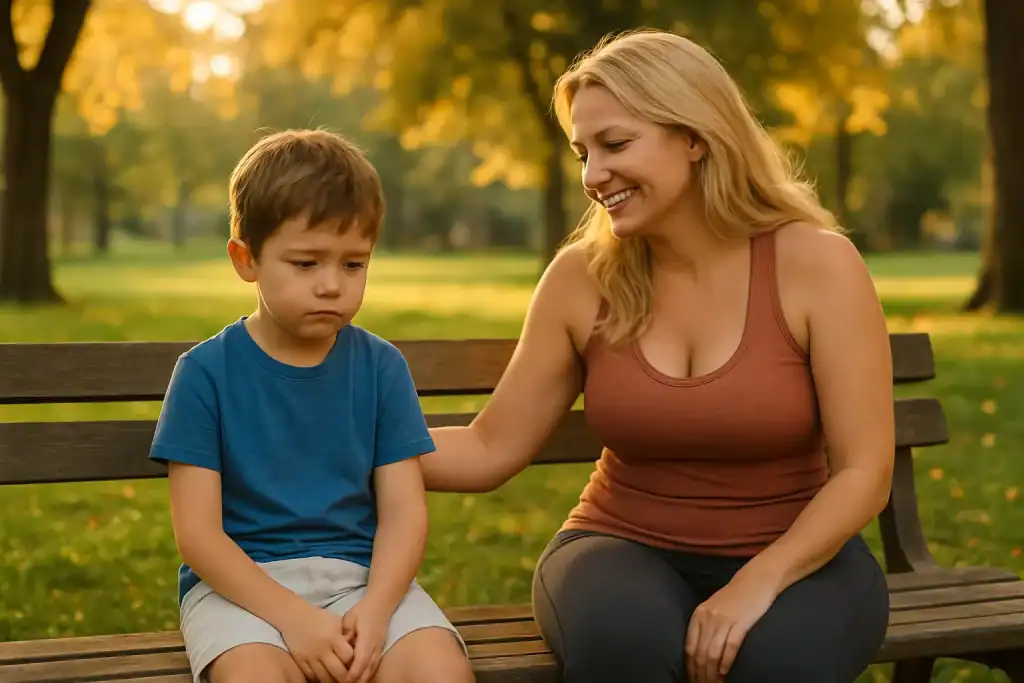
No, safety means having someone they trust, someone to return to every time they bump into those potholes, someone who comforts them and helps them make sense of it all, and lets them try again when they’re ready.
#2 Consistency
No one in their right mind would expect a carer never to have a bad day. Neither will children expect this, and they will generally recover quickly from singular bad-day episodes, especially if the carer is emotionally grown-up enough to explain what happened and apologise.
However, what’s highly harmful is the toxic stress caused by consistently erratic carer behaviour. For instance, if turning to a carer for support and safety sometimes gives rise to overwhelming sympathy, sometimes brings about cold neglect, and sometimes triggers explosive anger, then the unpredictable carer becomes another source of anxiety for the child, not a safe haven.
#3 Emotional maturity
I mentioned the necessity of apologising when we make mistakes in deeds or words as carers, but emotional maturity is more than this.
It’s about being responsible for our behaviour in general and for how we influence others. This means being aware of our own thoughts, feelings, and actions, including all our mistakes, and being willing to learn from them. It also means not blaming the child for our mistakes.
Emotional maturity will enable us to understand that the child is in a state of development (yes, they should come with an “under construction” sign) and vulnerable as such. We will know we have to show the necessary patience, empathy, and presence whenever the child needs them.
And we will be grown-up enough to recognise and respond appropriately to the child’s emotions, helping them to make sense of and understand their feelings, and never ever punish the child for feeling what they feel.
#4 Encouragement and support
Some carers seem to confuse encouragement with harassment. For instance, setting unrealistic goals for the children and punishing them if they can’t reach the objectives. You better toughen’em up, right? It’s a tough world out there!
The problem is that this may easily destroy what the children really need to survive in a harsh world: self-esteem, self-confidence, and a sense of their own worth.
Children need a trusted safe haven, but they also need the freedom to explore themselves and their environment, discovering who they are and the paths they want to follow in the world.
To give them this freedom, carers must respect, encourage, and guide the children as individuals with their own needs and wants, rather than seeing them as an extension of the carer’s own person and ambitions.

#5 Predictable and reasonable boundaries
Yes, children need freedom to explore, but of course, within reasonable boundaries. As they reach a certain age, most children will understand and appreciate this. There is safety in predictability, and it would be a massive source of anxiety and confusion for a child if similar words and deeds trigger the carers’ anger one day and indifference the next.
Some carers seem to think that the best way to handle this is to define almost everything as off-limits for the child. ‘No’ is the carers’ standard response to everything.
Based on my own experience both as a child and a parent, I believe the word ‘no’ should never be used without an explanation. Failing to do so will add to the children’s confusion and fear. And in the end, the children may find the carers incompetent to teach about right and wrong, good and evil, and they will turn to others who might not have the children’s best interests in mind.
Oh, of course, reasonable boundaries aren’t a one-way thing. Children have their own needs for privacy and integrity, and the perimeter of their boundaries increases as they grow older. Being aware of their boundaries is a matter of respect.
#4 To feel respected
Speaking of respect, why do we, as adults, respect people? For many different reasons, I suppose, depending on our personal preferences and philosophies of life. Often, we respect people for what they have achieved. For instance, having built a large company or worked for the poor in the slums of Calcutta.
Children may not have had time to achieve big things like this. However, children reach essential milestones in their development all the time. And as they grow from children to adolescents to young adults, they have to stand in the middle of this ever-increasing storm:
- Hormone fog.
- Peer bullying.
- Unwanted sexual attention from peers and adults.
- Judgement and punishment for not living up to the expectations of friends, family, religion, and society in general.
- Commercial pressure to buy stuff they don’t need and become someone they’re not.
- Misleading guidance from false prophets and leaders.
- And so on and on and on.
It’s bl**dy worthy of respect that most of them find their way through as whole, sound people.
Still, the only thing most children ask for is to be listened to and respected for who they are, what they think, what they feel, what they choose, and what they do in the middle of all this chaos.

#5 To be accepted as they are
One of the most horrible ways to disrespect children is to make them feel that who they are isn’t acceptable, not good enough.
A child can do something wrong (as can adults), and they may need guidance about this. But to teach them that they are bad, faulty, and not good enough is unforgivable, whether it’s about the way they look, think, or feel.
You know, almost every person who consciously or unconsciously has the perverse urge to harm children usually starts by tearing down their self-esteem.
#6 To feel unconditionally loved
This is what it all comes down to, isn’t it?
Most children can be remarkably resilient if they know that, at the end of the day, someone loves them without terms or conditions. Someone will receive them with open arms, regardless of what has happened. Someone will protect and nourish them until their wounds are healed and they are ready to explore the world again.
And if this isn’t so, if the children learn they aren’t good enough just as they are, if they are even punished for who they are, an ugly story about inadequacy, inferiority, and worthlessness, about not being lovable, may be written on their souls with permanent ink.
Perhaps forever, unless someone can overwrite it.
So, do you understand how to meet the child you once were?
You should know by now.
- If you mistreat yourself, flog yourself with negative self-talk, all the time trying to be good enough, ask yourself why. Ask yourself whose voices you hear in your head when you criticise yourself. Don’t be surprised if you identify the voices of people from your childhood.
- Decide it’s time to repair the damage done to you by those who destroyed your self-esteem. There is no better ‘revenge’ over those who harmed you than fixing your problems, starting to thrive and grow, and preferably outgrowing them.
- Understand what you were missing as a child, what needs weren’t met. Was it safety? Respect? Unconditional love? Something else? Keep this in mind.
- Because now, you must try to give yourself what you were missing when your self-esteem was broken. Be the responsible adult who wasn’t there. Show some patience and empathy.
- Respect the child you once were. So, stop torturing yourself, stop the name-calling, down-talking, and self-belittling. It’s about time!
Then you can begin to free yourself from the chains of the past.
Then you can start facing, gently, the bad memories stuck in your mind as shards of broken glass.
Then you will feel the fear and pain of the child you were when the harm was inflicted on you, and please, be kind to that child!

“9 pathetic ways we try to be good enough” – are they really that pathetic?
Of course not.
True, sometimes we look at how we are behaving and we feel it’s terribly pathetic.
However, our brains simply try to do their best under the circumstances. They try to help us survive, that’s all. If we believe we aren’t good enough, then we instinctively believe we can be ostracised from our clan, which, on an evolutionary scale, gives us reason to believe we might die.
Sometimes, our brains trust their instincts more than facts. This might lead to wrong conclusions. But it’s okay.
Our brains are just trying to do their jobs, right?
All pictures used in this article are AI-generated illustrations. Two of them resemble younger versions of me. None of them are real pictures.











Post Comment
You must be logged in to post a comment.